
Fantasy Sports in the Metaverse: How Blockchain Enables Transparent and Secure Gaming
The fantasy sports landscape has undergone a profound transformation, transforming from simple digital leagues into a vibrant sector poised for significant innovation. With the convergence of metaverse and blockchain technology, fantasy sports are entering an era characterized by immersive experiences, transparent mechanisms, and secure platforms. This new paradigm addresses long-standing challenges in the industry, offering a future where user engagement and trust are paramount. This article examines how blockchain and metaverse are reshaping the fantasy sports landscape, highlighting the transformative potential of these technologies to provide transparency, fairness, and a user-centric ecosystem. The Evolution of Fantasy Sports Fantasy sports have become a global phenomenon, enabling fans to create virtual teams based on real-world players and compete for prizes based on their performance. Over the years, the industry has expanded significantly, driven by digital platforms and increasing fan engagement. However, traditional fantasy sports platforms face several key challenges: 1. Transparency issues: Users often lack insight into how scores are calculated, or outcomes are determined. 2. Security risks: Centralized systems are vulnerable to hacking, data breaches, and fraudulent activities. 3. Lack of ownership: Participants do not own the digital assets used within these platforms. The integration of blockchain technology addresses these concerns by introducing a decentralized, transparent, and secure framework for fantasy sports, especially when integrated into the immersive environment of the metaverse. The Role of Blockchain in Transforming Fantasy Sports Blockchain serves as the backbone of the next-generation fantasy sports ecosystem, providing innovative solutions that elevate the user experience. Key contributions include: 1. Transparent Scoring and Immutable Records Blockchain’s distributed ledger technology ensures that all data, such as player statistics, scoring algorithms, and game results, are publicly accessible and immutable. Every action is recorded on the blockchain, allowing participants to independently verify the results and eliminating any possibility of tampering or manipulation. Smart contracts automated agreements coded in the blockchain further enhance transparency by automating the enforcement of laws without the need for human intervention. 2. Tokenized Economies and Rewards Blockchain facilitates the tokenization of rewards, enabling participants to earn digital tokens for their achievements. Additionally, non-fungible tokens (NFTs) are redefining the concept of ownership in fantasy sports. Unique NFTs representing players, teams, or memorabilia can be bought, sold, and traded, providing participants with tangible value and a sense of personal investment. 3. Enhanced Security and User Control Blockchain technology decentralizes data storage, reducing the risk of cyberattacks or unauthorized access. Users maintain full control of their accounts, data, and assets, ensuring a secure environment for gaming and transactions. 4. Decentralized Governance Many blockchain-powered platforms operate through decentralized governance models, where users hold voting rights via tokens. This democratic approach allows participants to influence platform policies, ensure alignment with user preferences, and foster a sense of community ownership. Fantasy Sports in the Metaverse: A New Era of Immersive Gaming The Metaverse brings fantasy sports to life in extraordinary ways, creating an environment where users can interact with their teams, engage in live events, and immerse themselves in a virtual world. The Metaverse offers: 1. Immersive Virtual Stadium Participants can organize their fantasy teams in a virtual stadium, where games are simulated in real-time, complete with live commentary, 3D visuals, and interactive experiences. This level of immersion replicates the thrill of live sports while increasing user engagement. 2. Social Interaction and Community Building Fantasy sports in the metaverse foster strong connections between participants through social features such as virtual meetups, discussion forums, and collaborative events. These features transform gaming into a shared and interactive experience. 3. Cross-platform interoperability Assets such as NFTs and tokens acquired on one platform can often be used on other platforms within the metaverse. This interoperability increases the value of digital assets, allowing users to leverage their investments in diverse ways. Benefits of Blockchain-powered Fantasy Sports Blockchain technology offers substantial benefits for all stakeholders involved in fantasy sports: For users: Transparency: Immutable records ensure fairness and eliminate disputes. • Ownership: NFTs provide users with true ownership of their digital assets. • Monetization opportunities: Users can trade tokens and NFTs for real-world value. For platform operators: • User trust: Transparency builds long-term loyalty among participants. • Scalable solutions: Blockchain infrastructure can efficiently accommodate growing user bases. For sponsors and brands: • Enhanced engagement: Immersive experiences provide new ways to connect with audiences. • Innovative marketing: Tokenization and NFTs enable creative promotional campaigns. • Rich data insights: Blockchain allows for detailed analytics on user behavior and preferences. Challenges to Adoption Despite its transformative potential, blockchain-based fantasy sports face several hurdles that must be overcome: • Regulatory uncertainty: The legal landscape for blockchain and gaming is still evolving, requiring platforms to navigate complex compliance frameworks. • Scalability issues: High transaction volumes on blockchain networks can impact performance, although developments such as Layer 2 solutions are mitigating these concerns. User awareness: Many potential participants are unfamiliar with blockchain technology, which requires educational efforts to ensure adoption. The Future of Fantasy Sports in the Metaverse As technology advances, some trends are expected to shape the industry 1. Decentralized Autonomous Organizations (DAOs): Community-led governance models will empower users to shape platform policies and developments. 2. Advanced AI Integration: AI-powered analytics will improve player predictions and strategy formulation. 3. Increased Gamification: Platforms will integrate more interactive elements, such as quests and achievements, to increase engagement. PixelPaddle: Leading the Way in Fantasy Sports Innovation At the forefront of this revolution, PixelPaddle combines blockchain technology and the metaverse to redefine fantasy sports. Committed to transparency, security, and user empowerment, PixelPaddle offers participants unparalleled experiences in the virtual sports ecosystem. Key features include: • Tokenized Rewards: Earn tradable tokens for in-game achievements. • Exclusive NFTs: Own and trade unique player cards and collectibles. • Immersive Gameplay: Engage with fantasy sports in an interactive, 3D environment. PixelPaddle’s vision goes beyond gaming, fostering a community where users are not only participants but also co-creators of an evolving ecosystem. Conclusion: A Transparent, Secure, and Immersive Future Fantasy sports in the metaverse represent a transformation, combining the trustworthiness of blockchain and
Fan Loyalty Programs in the Sports Metaverse: Redefining Engagement Through Tokenization
Fan Loyalty Programs in the Sports Metaverse: Redefining Engagement Through Tokenization The sports industry has undergone a massive transformation with the advent of blockchain technology, redefining the way teams, sponsors, and fans interact. One of the most significant changes is the introduction of fan loyalty programs into the sports metaverse, powered by tokenization. This innovative approach has ushered in a new fan engagement era, offering benefits far beyond traditional loyalty systems. By integrating digital assets, such as fan tokens and non-fungible tokens (NFTs), these tokenized loyalty programs allow fans to participate, trade, and gain value in a team’s ecosystem. The concept of fan loyalty has traditionally been associated with tangible rewards such as merchandise, tickets, and event access. However, the digital transformation brought about by blockchain technology has enabled sports organizations to offer fans far more dynamic, personalized, and immersive experiences. In this article, we’ll explore how tokenization is reshaping fan loyalty programs, the role of the sports metaverse in this evolution, and how platforms like PixelPaddle are paving the way for a more engaging and interactive fan experience. The Evolution of Fan Loyalty Programs in the Sports Industry For years, sports teams and organizations have relied on traditional methods to engage their fans. Traditional loyalty programs often include discounts, early ticket access, exclusive merchandise, and meet-and-greets with players. These rewards are typically tied to a member’s spending or attendance history, incentivizing fans to engage with their teams in the physical world. However, as digital technology has advanced, fan expectations have changed. Fans have begun to seek out more personalized and interactive experiences that go beyond simple transactional relationships. Traditional methods of fan engagement, while effective lacked the flexibility, transparency, and cross-platform compatibility that the new era of digital interaction demanded. As such, sports teams began exploring blockchain technology to introduce tokenized fan loyalty programs that could deliver value in a decentralized, transparent, and actionable environment. In the metaverse, where the virtual world and digital experiences intersect, the application of tokenization allows for the creation of personalized ecosystems that bring fans closer to the action. The sports metaverse not only enables engagement with the game but also offers ownership of digital assets, creating a sense of connection and shared experience between fans and teams. Tokenization: The Foundation of Modern Fan Loyalty Programs At the heart of these innovative fan loyalty programs is tokenization, the process of converting real-world or digital assets into blockchain-based tokens. These tokens represent value and are stored on a decentralized ledger, which guarantees transparency, security, and ownership. Tokenization facilitates several opportunities that fundamentally change the way fans interact with their favorite sports teams and events. Here are some key elements of how tokenization is used in fan loyalty programs: 1. Fan Tokens: Enhancing Fan Engagement and Ownership Fan Tokens are digital assets that give holders access to unique privileges such as voting rights on team decisions, access to exclusive content, and priority ticketing. These tokens empower fans to do more than just be spectators — they are invited to participate in the decision-making process and engage with their teams in meaningful ways. PixelPaddle, an industry leader in sports metaverse engagement, uses fan tokens to allow fans to participate in virtual events, access exclusive player and team content, and influence key decisions like uniform design or event programming. Fan tokens enable teams to build deeper relationships with their supporters, encouraging loyalty and offering fans a sense of ownership and participation in their team’s success. 2. NFTs: A New Era of Digital Collectibles Non-fungible tokens (NFTs) have revolutionized the way fans collect and interact with digital assets. Unlike traditional collectibles, NFTs are unique digital assets that are verified on the blockchain, ensuring their authenticity and rarity. In the context of fan loyalty programs, NFTs can represent a wide array of digital memorabilia, from iconic match highlights to digital versions of player autographs. What sets NFTs apart from traditional collectibles is their added utility. In PixelPaddle’s ecosystem, NFTs not only provide ownership of a rare piece of memorabilia, but also access to special in-game events, VIP experiences, or exclusive merchandise. This added functionality ensures that the value of NFTs extends beyond just being collectible to fans. It’s easy to actively engage in the metaverse and support long-term fan loyalty. 3. Interoperability across platforms Tokenized Live The most compelling benefit of Litecoin programs is their interoperability. Because blockchain-based tokens are not limited to a single platform, fans can use their tokens across multiple environments and applications within the sports metaverse. For example, a fan attending a virtual event on PixelPaddle’s Meta Stadium can earn tokens that are eligible for digital merchandise, exclusive rewards, or even access to virtual meet-and-greets with players on other platforms. This seamless experience across different ecosystems increases the value of fan tokens and NFTs, making them highly desirable to fans who are not only looking for digital memorabilia but also for practical and beneficial uses for their tokens. 4. Fractional Ownership and Shared Experiences Another modern application of tokenization is fractional ownership, where fans can own shares of virtual assets, such as digital stadiums, team memorabilia, or player contracts. This unique feature allows fans to become part owners of virtual sports assets, making them more engaged and invested in the success of the teams they support. In PixelPaddle’s model, fans can purchase tokenized shares of virtual assets within the platform’s Meta Stadium or even invest in fractional ownership of digital merchandise. This democratizes access to previously exclusive sports assets, giving fans a stronger sense of ownership and a deeper connection to the game. Benefits of Tokenized Loyalty Programs for Stakeholders The implementation of tokenized fan loyalty programs offers a wide range of benefits for various stakeholders in the sports ecosystem: 1. Fans: Personal and Financial Incentives For fans, tokenized loyalty programs provide better ownership of their fan experience. Rather than simply earning rewards, fans can trade, sell, or use their tokens and NFTs, creating new financial opportunities. These programs also provide personalization — fans can
Building Sports Stadiums in the Metaverse: Virtual Real Estate and Blockchain
As the digital and physical worlds merge, Metaverse offers a revolutionary platform to reshape industries, especially sports and entertainment. Building a virtual sports stadium in the Metaverse changes how fans experience events and opens a whole new realm of real estate, branding, fan engagement, and revenue generation opportunities. Central to this transformation is the role of blockchain technology, which powers ownership, security, and innovation functions within these virtual spaces. In this article, we explore the concept of metaverse sports stadiums, their potential impact on the sports industry, the role of virtual real estate, and how blockchain enables their functionality. This new scenario promises to redefine the fan experience, positioning virtual stadiums as dynamic centers of engagement and commerce. Virtual sports stadium concept in the metaverse A virtual sports stadium is a digital venue where fans can watch live or recorded sporting events, engage with team-branded experiences, and interact with other fans all in a fully immersive, 3D environment. It happens. These stadiums replicate the sensory excitement of physical spaces while increasing accessibility and interaction. Fans worldwide can attend games, enjoy unique perspectives, and engage in activities beyond what is possible in a traditional stadium. By investing in virtual stadiums, sports teams, and leagues can expand their reach globally, allowing fans to experience games and events in real-time without geographic boundaries. These virtual spaces are not mere replicas. They offer unique interactive experiences like fan meetings, interactive stats, real-time polls, and customizable avatars that deepen engagement and loyalty. Virtual Real Estate: The Foundation of Metaverse Stadium Virtual real estate is a cornerstone in building a digital stadium. The concept revolves around the purchase and ownership of digital plots of land in metaverse platforms (such as Decentral and, The Sandbox, and others). Like physical real estate, virtual land in the metaverse can be bought, sold, leased, and developed to create structures and spaces for entertainment, social interactions, and commercial activities. For sports teams, the Purchase of virtual land enables them to create branded, exclusive environments that extend their physical presence into the digital realm. Some of the main benefits include: Global fan access Virtual stadiums allow fans to attend games from anywhere, increasing the reach and accessibility of events. Fans who may never visit a physical stadium can experience the energy and excitement of live games virtually, supporting the growth and engagement of a global fan base. Custom experiences Virtual stadiums offer flexibility in design and function. Teams can customize venues with unique layouts, branded experiences, interactive features, and merchandise shops, providing engaging fan experiences that blend team culture and values. Increase in income stream Just as physical venues generate revenue from ticket sales, advertising, and concessions, virtual stadiums open new avenues for monetization. Digital ticketing, special event passes, virtual merchandise, and premium fan experiences create a diversified revenue stream that complements traditional sources of revenue. Blockchain’s role in the virtual stadium Blockchain technology plays an important role in making virtual stadiums functional, secure, and accessible. Blockchain integration brings several benefits to metaverse-based sports stadiums: Ownership and Security with NFTs In virtual real estate, NFTs (Non-Fungible Tokens) play an important role in establishing ownership rights for both land and assets within the metaverse. When fans buy tickets, memorabilia, or even digital seats inside a stadium, NFTs can serve as certificates of ownership that are securely recorded on the blockchain. It guarantees that each digital asset is unique, verifiable, and unforgeable. Tokenization for fan participation Blockchain enables teams to issue digital tokens that can represent partial ownership or stakes in stadium-related assets. Fans holding these tokens may receive special access to events, voting rights on stadium features, or discounts on merchandise. Tokenization adds an interactive layer where fans feel more involved in the team’s virtual presence. Smart contracts for automated transactions Smart contracts automated contracts with code-based terms automated payments, ticketing, and other processes inside the virtual stadium. For example, smart contracts can instantly transfer NFT tickets to fans upon purchase, or they can smooth the proceeds from the sale of virtual merchandise to both buyers and sellers based on pre-defined terms. Experience can be shared ensuring. Improved transparency and fan trust By recording transactions on a public ledger, blockchain technology sells tickets, and merchandise Ensures transparency in ownership and fan participation. This transparency builds trust, as fans know that their contributions have been adequately acknowledged and that their digital assets are safe and authentic. Potential Benefits of Metaverse Stadium for Teams and Fans Income opportunities for teams Virtual stadiums create new revenue streams, from ticket sales to virtual events and special experiences to in-stadium advertising and partnerships with brands seeking visibility in the digital environment. Additionally, teams can sell virtual memorabilia, such as NFTs that represent iconic game moments, which fans can collect, trade, or display in personal virtual spaces. Better engagement and fan interaction A virtual stadium enables teams to engage with fans on a deeper level. Fans can customize their avatar, participate in pre-game events, engage in post-game Q&A sessions, and network with other fans in ways that are Impossible in a physical stadium. These activities create a sense of community and loyalty, encouraging fans to return for future events. Environmental sustainability Hosting events in virtual stadiums significantly reduces the carbon footprint associated with physical stadiums. With digital platforms, fans don’t need to travel, nor do teams need the resources to operate large physical venues for each game. This is consistent with sustainability goals and demonstrates a commitment to reducing the environmental impact of sports entertainment. Data collection and analytics Virtual environments provide opportunities to gather in-depth data about fan behavior and preferences. Analytics collected inside the virtual stadium can inform marketing strategies, engagement methods, and event personalization, allowing teams to understand and meet fan needs in real time. Challenges for creating a virtual stadium While the potential for virtual stadiums is huge, teams must navigate some challenges to make the concept viable: High initial investment Building a virtual stadium requires significant investment in Metaverse Land, design, and technology
Smart Contracts in the Sports Metaverse: Enabling Trust and Transparency in Player Contracts and Sponsorships
Introducing Smart Contracts to the Sports Metaverse The rapid evolution of the sports metaverse, where virtual worlds intertwine real-world sports, has led to ground-breaking changes in the way teams, players, and fans engage. One of the key drivers of this change is smart contracts that self-enforce digital agreements built on blockchain technology. In the sports metaverse, smart contracts offer unprecedented opportunities to increase trust and transparency, particularly in areas such as player contracts and sponsorship deals. This article explores how smart contracts are redefining sports partnerships, facilitating secure and efficient transactions that reinforce integrity and accountability in a virtual sports economy. What are smart contracts? Deployed on blockchain networks, these agreements ensure immutability, transparency, and security, as they are decentralized and cannot be changed once created. In short, smart contracts transform traditional contracts into digital, self-enforcing documents, where stakeholders rely on technology instead of relying solely on personal or organizational assurances. The role of smart contracts in Athlete Agreement In the traditional sports industry, player contracts are complex documents that involve legal teams, agents, and regulatory bodies to protect the interests of both players and teams. In the metaverse, smart contracts streamline and secure this process by encoding terms and conditions directly into the blockchain. Here’s how they achieve it: 1. Automated compensation and bonuses: Smart contracts can handle complex payment structures, such as salary, performance-based bonuses, and incentives. By embedding specific conditions such as goals scored, assists made, or wins scored smart contracts automatically trigger payments upon the achievement of these milestones. This real-time execution reduces administrative overhead and minimizes reimbursement disputes. 2. Minimized Risks of Disputes: Since the terms of the contract are transparent and immutable, misunderstandings regarding the clauses are reduced. All parties involved have access to a single, unaltered version of the contract, which promotes clarity and trust. Additionally, smart contracts prevent unauthorized changes, ensuring that the contract remains reliable over time. 3. Player autonomy and transparency: Blockchain-based contracts empower players by offering them greater control over the data and terms of their contracts. In many cases, athletes retain access to their digital profiles and achievements, which remain on the blockchain even when changing teams or sponsors. This decentralized approach increases transparency and promotes player autonomy within the Sports Metaverse ecosystem. Impact on sponsorship deals Sponsorships are important revenue streams for athletes, teams, and sports organizations, especially in the metaverse, where branding and advertising take on unique dimensions. In this environment, smart contracts enhance sponsorship in several ways: 1. Real-time metrics and compensation: Brands and sponsors in the sports metaverse increasingly rely on real-time engagement metrics, such as the number of views, interactions, and fan engagement at virtual events. Smart contracts allow sponsors to specify these metrics as terms of the contract, ensuring that payouts are automatically adjusted based on actual engagement rates. This real-time, data-driven approach increases transparency in sponsorship payments and aligns compensation with the value delivered. 2. Clear ownership and revenue sharing: Sponsorship agreements in the metaverse often involve digital assets such as NFTs (non-fungible tokens), branded virtual space, or exclusive in-game items. Smart contracts ensure that revenue-sharing arrangements between sponsors, athletes, and teams are transparent and automatically executed on every transaction. This guarantees that each stakeholder will receive their rightful share, reducing the risk of payment discrepancies. 3. Long-term partnerships with decentralized control: Smart contracts allow brands and players to set flexible terms for multi-event partnerships. This structure facilitates long-lasting relationships while maintaining decentralized control. For example, a brand sponsoring a player in the metaverse can set terms for different seasons or virtual tournaments, with each new phase initiated by a smart contract, allowing for repeated negotiations and agreements. The need for renewal is reduced. Building trust through transparency and decentralization Trust is paramount in the sports industry, especially when it comes to athlete welfare and the integrity of sponsorships. Smart contracts enhance trust through the transparency and security of blockchain technology, as all contract terms and execution logs are visible on a decentralized ledger accessible to interested parties. • Public Auditability: Since blockchain data is publicly auditable, Sponsors, fans, and other stakeholders can verify player signatures or contract terms and transactions associated with sponsorships. This transparency assures all concerned parties that terms are fair, and obligations are being honored. • Elimination of third-party dependencies: Smart contracts operate without the need for third-party intermediaries, reducing both costs and the risk of manipulation. This peer-to-peer structure ensures that all transactions and contract execution are automated and according to predefined rules, promoting a safer and more direct gaming ecosystem. Benefits for fans and the wider sports metaverse community The integration of smart contracts extends beyond athletes and sponsors, benefiting the entire metaverse ecosystem of sports. For example, fans gain new opportunities to participate in the sports economy. Smart contracts facilitate fair ticketing systems for virtual sporting events, transparent revenue-sharing models, and even fan engagement rewards, where fans earn tokens based on their interactions with the team’s digital assets. Additionally, smart contracts can support fan-based investment platforms, where fans can become partial stakeholders in virtual sports teams or events. It increases fan loyalty and democratizes access to sports investment, creating a vibrant community where fans feel connected and financially invested in the sports metaverse. Potential Challenges and Future Outlook The code-dependent nature of smart contracts requires that every possible scenario be accounted for to prevent conflicts or exploitation. Misconfigured conditions or flaws in the code can lead to unintended consequences, making it necessary to conduct thorough audits and testing. Looking ahead, the sports metaverse will likely continue to embrace blockchain and smart contracts, with advances in AI-powered contract verification, automated analytics, and more sophisticated decentralized platforms. As technology evolves, smart contracts could become the gold standard in sports contracts, making transactions more fair, transparent, and secure. Discuss how PixelPaddle Smart Contracts are used to build user or fan trust PixelPaddle uses smart contracts in its sports metaverse to create an environment where trust and transparency are paramount, especially regarding player contracts and sponsorship deals.
ExpoPlaza Latina 2025: Connecting Ecosystems and Inspiring Cross-Border Innovation
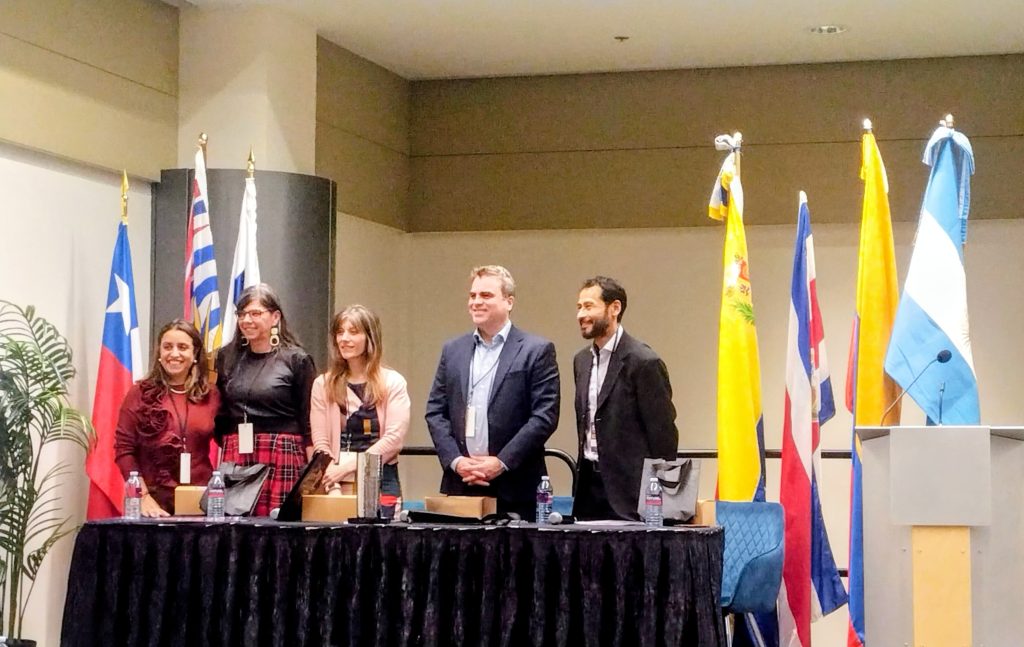
ExpoPlaza Latina 2025 returned to the Vancouver Convention Centre on November 21, bringing together leaders, entrepreneurs, and innovators from across Canada, the United States, and Latin America. The event served as a powerful platform for dialogue on the future of work, innovation, and the collaborative role interconnected economies play in shaping global progress. Representing PixelPaddle, CEO Meer Anwar attended the conference and engaged in in-depth discussions centered on AI adoption, mentorship in technology, immigrant workforce development, and the evolving economic landscape across British Columbia. Unlocking Capital & Market Access for Emerging Entrepreneurs One of the standout sessions was “Unlocking Capital & Market Access for Emerging Entrepreneurs,” moderated by respected mentor and ecosystem leader Paul Brassard. The discussion addressed persistent challenges faced by emerging and underrepresented founders, with expert insights including: During the event, Meer Anwar had a meaningful discussion with Mina Haghighi about the critical role of mentorship in the tech sector and how ecosystem partners can accelerate economic growth by supporting early-stage founders. He also engaged with Adnan Sarwar, whose insights on BC’s labour market outlook for the next decade align closely with Canada’s long-term innovation and skills strategy. Bridging Policy and Practice for a Future-Ready Workforce Another key highlight for PixelPaddle was the session “Bridging Policy and Practice: Strategies for a Future-Ready Workforce.”The panel offered actionable perspectives for employers and entrepreneurs navigating Canada’s changing labour landscape: These conversations highlighted important themes such as AI adoption, employer needs, career mobility, newcomer integration, and efforts required to strengthen Canada’s future-ready talent ecosystem. Dual Tracks: GoExpand & SheLatina ExpoPlaza Latina offered two robust parallel tracks, GoExpand and SheLatina, each featuring thought-provoking sessions and remarkable speakers. Both tracks delivered high-impact content, providing entrepreneurs with invaluable knowledge on scaling businesses, embracing innovation, and leveraging diverse networks. Meer also got the chance to had a discussion with Heather Bell, about the role of skilled immigrants and they have contributing towards economic development and what measure can be suggested to avoid the brain-drain and retention of talent within the ecosystem. These conversations highlighted important themes such as AI adoption, employer needs, career mobility, newcomer integration, and efforts required to strengthen Canada’s future-ready talent ecosystem. An Event Driving Collective Impact From ecosystem insights to workforce strategies, this year’s ExpoPlaza Latina reinforced the importance of collaborative innovation. PixelPaddle acknowledges the organizers, sponsors, speakers, and contributors who made this gathering impactful. Events like these strengthen global networks, empower entrepreneurs, and foster inclusive economic growth across borders. PixelPaddle remains committed to contributing to these ongoing conversations and building meaningful partnerships that support AI adoption, mentorship, and innovation-driven economic development in Canada and beyond.
Where Global Mentorship Meets Local Innovation: Celebrating TiE Vancouver’s Startup Pitch Fest 2025

For more than three decades, TiE (The Indus Entrepreneurs) has stood as a global force for entrepreneurial advancement. Founded in Silicon Valley in 1992, TiE has grown into the world’s largest network supporting entrepreneurs, with 60+ chapters across 14 countries. Its mission remains rooted in five foundational pillars: mentorship, networking, education, incubation, and access to capital. Through this model, TiE continues to ignite innovation and fuel economic growth across international ecosystems. Here in Western Canada, TiE Vancouver serves as a dynamic catalyst—connecting ambition with opportunity and empowering founders with the three essentials every entrepreneurial journey depends on: capital, community, and purpose. The chapter nurtures an ecosystem where visionary entrepreneurs, seasoned investors, and world-class mentors converge to elevate ideas from British Columbia onto the global stage. Guided by TiE’s philosophy of net giving, the community embodies a culture where knowledge sharing, strategic collaboration, and collective growth are core values. Entrepreneurs are invited to participate in a movement that champions innovation, fosters meaningful connections, and builds legacies that reach far beyond borders. Celebrating the TiE Vancouver Startup Pitch Fest 2025 This year, TiE Vancouver launched its highly anticipated Startup Pitch Fest in two categories: PixelPaddle has consistently supported initiatives that strengthen the local entrepreneurial landscape. In alignment with this mission, Meer Anwar, CEO of PixelPaddle, was invited to serve as a jury member for both the semi-finals and the in-person grand finale held in Vancouver. His involvement reflects PixelPaddle’s continued commitment to mentoring founders, uplifting small businesses, and contributing to a thriving innovation ecosystem. The semi-finals featured an impressive range of applicants, each bringing creativity, technical depth, and community-minded solutions to the table. The winners were: TiE University – Semi-Final Winners TiE Women – Semi-Final Winners Every participant demonstrated remarkable passion, domain expertise, and resilience—qualities that define future leaders. Special appreciation was extended to the esteemed panel of judges:Ragul Mohan, Angela Kate, Haer M Ed, James Dean Waryk, Meer Anwar, Prashant Agrawal (Mr. P), Bhavik Chauhan, and Shawn Goyal. And the Final Winners Are… The grand finale showcased a diverse mix of innovations on November 13, 2025 in the shape of beautiful ceremony in Vancouver, addressing real-world challenges including food contamination, AI-driven mining fault detection, clean air systems, precision welding technology, automotive operating systems, functional beverages, apparel fitting solutions, pet care, and school speaker engagement tools. TiE University – Final Winners TiE Women – Final Winners PixelPaddle’s Contribution to the Ecosystem Continuing its commitment to empowering grassroots entrepreneurship, PixelPaddle partnered with Kaprix to extend $30,000+ worth of support to finalists. This included: These offerings were provided not just to the winners, but to all participating finalists, ensuring every deserving startup gains access to resources that can meaningfully accelerate their growth. During the ceremony, Meer Anwar took the stage to present awards, congratulate the winners, and encourage every participant to continue nurturing their vision. Speaking from the lens of PixelPaddle’s innovation journey, he shared insights and inspiration with the founders. A Future Built Together The Pitch Fest was more than a competition—it was a celebration of creativity, diversity, and innovation. From student founders to women-led businesses to first-time entrepreneurs, each participant demonstrated the strength of Western Canada’s growing entrepreneurial ecosystem. With platforms like TiE Vancouver and contributions from community partners like PixelPaddle, the region continues to cement its place as a hub where global mentorship and local innovation intersect. The journey for these startups has only begun—and the future looks exceptionally promising.
Empowering Communities Through Digital Literacy: PixelPaddle Collaborates With ISSofBC for AI & Metaverse Use cases

For more than five decades, the Immigrant Services Society of British Columbia (ISSofBC) has stood as one of Canada’s most respected and impactful settlement organizations. Established in 1968, ISSofBC began with a committed group of volunteers who welcomed Ismaili refugees from Uganda—an act of compassion that laid the foundation for what would become one of the province’s largest and most innovative newcomer-support institutions. Today, ISSofBC continues to help newcomers settle, learn English, pursue education, find meaningful employment, and integrate confidently into Canadian society. With its world-renowned Vancouver Welcome Centre and a legacy of community-building, ISSofBC remains a national leader in creating inclusive pathways for immigrants, seniors, families, and refugees across British Columbia. As part of its ongoing effort to strengthen digital literacy, ISSofBC recently hosted two educational workshops under the theme “Adoption of AI for Citizens and Metaverse Use Cases for Efficient Use.” These sessions were led by Meer Anwar, CEO & President of PixelPaddle, a BC-based technology company known for its work in AI, AR/VR, and immersive digital innovation. During the sessions, Meer introduced participants, primarily seniors from Persian and Mandarin speaking communities, to the fundamental concepts of Artificial Intelligence, breaking down how AI systems gather, learn, recognize patterns, adapt, and make predictions. He further provided practical demonstrations on: These hands-on demonstrations sparked lively discussions, curiosity, and thoughtful questions from attendees. Participants expressed appreciation for the clarity, accessibility, and real-world relevance of the content—leaving the sessions with a stronger understanding of not only how AI works, but how to stay safe, informed, and empowered in a rapidly evolving digital world. PixelPaddle expresses its deep appreciation to Hala Helmy, Zohreh Kondori, and the entire ISSofBC team for extending the opportunity to contribute to this meaningful community initiative. Their commitment to bringing high-value learning experiences to seniors and newcomers plays a vital role in strengthening digital inclusion across British Columbia. PixelPaddle looks forward to continued collaboration with ISSofBC and similar organizations to expand access to emerging technologies, enhance digital literacy, and support communities in navigating the future with confidence and capability.
PixelPaddle at the 8th Metropolis Identities Summit 2025 – Advancing Employer-Led Workforce Solutions
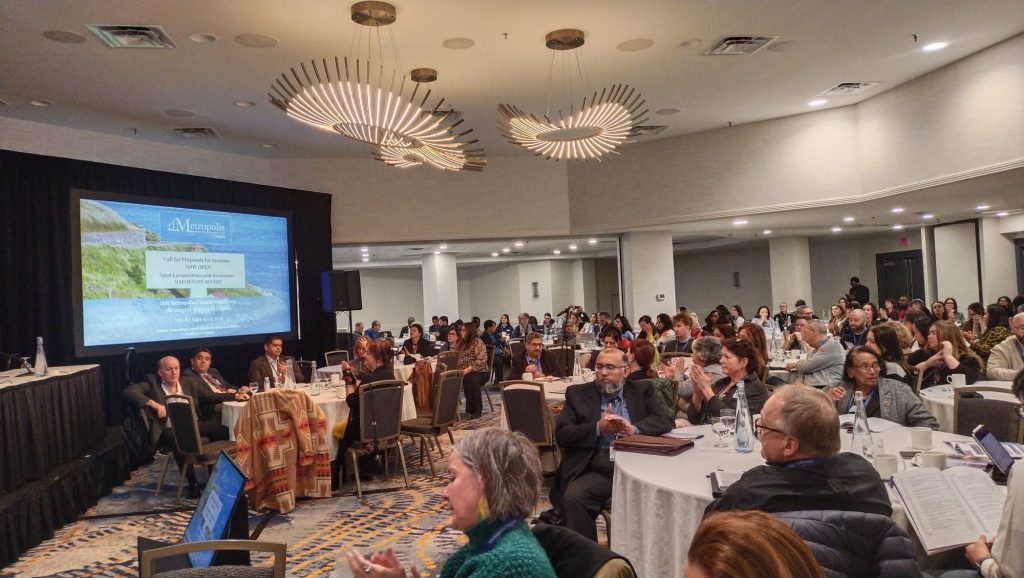
Strengthening Canada’s Workforce Through Inclusive, Employer-Led Solutions Canada continues to navigate unprecedented global challenges that are reshaping both economic conditions and social dynamics. These shifts have brought new urgency to national conversations around migration, unity, diversity, and collective identity. As economic transformations intersect with mobility and settlement patterns, the country faces important questions about how to sustain cohesion while honouring its commitments to Indigenous reconciliation and official language communities. Against this backdrop, the city of #Saskatoon hosted the 8th edition of the Metropolis Identities Summit 2025 (29 – 30 Oct, 2025) under the theme: Reaffirming Canada: Confronting Challenges to Our Unity, Diversity, and Identities. During the Summit, IEC-BC delivered an interactive session titled “Supporting Employer-Led Solutions for Attracting and Retaining Immigrant Talent in Small Centres and Rural Communities.” This session explored the realities facing employers across smaller and rural communities as they work to attract, hire, and retain newcomer talent—an essential component of Canada’s economic future. The presentation drew on insights from IEC-BC’s Employer Navigator Pilot, developed in partnership with World Education Services (WES), as well as findings from regional employer feedback forums. Discussions examined what is currently working for employers, what barriers persist, and what support is required to build sustainable and responsive newcomer workforce strategies. One participating employer summarized the value clearly:“A personalized service like Employer Navigator is incredibly helpful. There’s so much information out there, but having tailored guidance makes all the difference.” IEC-BC extended a special thank you to employer speakers Meer Anwar (CEO, PixelPaddle Solutions Inc.) and Ron Sun, MBA, CPA, CMA for sharing practical insights and lived industry experience. Appreciation was also extended to the Metropolis Institute for hosting this significant national platform for dialogue and collaboration. The insights gathered will help inform future tools and policy recommendations aimed at strengthening newcomer attraction and retention in smaller communities across Canada. The session reaffirmed the importance of innovation, community partnership, and employer involvement in creating inclusive and resilient local economies. Insights From PixelPaddle CEO, Meer Anwar Representing PixelPaddle, CEO Meer Anwar shared perspectives from the viewpoint of a local tech employer and small business leader. Speaking during a fireside conversation with Ron Sun, moderated by Elham Ershad, CPHR, CDP; Meer emphasized the importance of employer-driven workforce solutions and the growing need for equitable and accessible pathways for immigrant talent. The conversation explored several critical themes, including: • Employer-led talent strategies• AI upskilling and digital capability development• Recognition of foreign credentials and equitable hiring• Inclusive workforce participation and long-term retention Meer highlighted that emerging technology companies like PixelPaddle play a vital role in shaping Canada’s future labour market. Through innovation in technologies like AI, AR/VR, and digital engagement platforms, PixelPaddle contributes to employer readiness, industry mentorship, and practical workforce integration, as well as offering newcomers opportunities to gain cutting-edge experience in globally relevant technologies. He also stressed the importance of collaboration across organizations such as IEC-BC, WES, and national partners. These partnerships are essential for creating systems that support both employers and job seekers while strengthening the economic and social fabric of Canadian communities. PixelPaddle extends sincere gratitude to the Metropolis Institute, IEC-BC, World Education Services, and all participating partners for fostering meaningful dialogue that moves Canada closer to a more connected, inclusive, and future-ready society.
Celebrating Small Business Month – Oct 2025
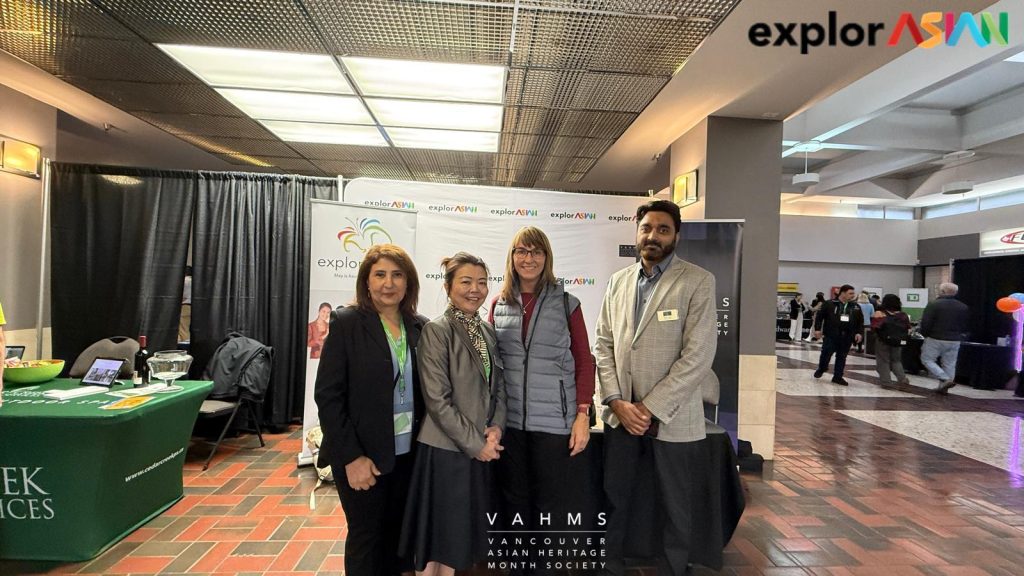
Empowering Local Entrepreneurs & Strengthening Global Connections As part of his role as a Board Member (volunteer) at VAHMS, PixelPaddle CEO Meer Anwar joined the celebrations of Small Business Month 2025 across the BC Tri-Cities region – Coquitlam, Port Coquitlam, and Port Moody. The event brought together entrepreneurs, local leaders, and community advocates committed to building a thriving business ecosystem. For Meer, the occasion carried personal meaning. As the founder of PixelPaddle, a growing technology company specializing in AR/VR, blockchain integration, and digital fan engagement, he understands firsthand the determination, challenges, and continuous innovation required to run a small business in today’s evolving landscape. Supporting Small Businesses Through Innovation & Community Engagement Small businesses are the backbone of British Columbia’s economy, and events like these provide critical opportunities for: PixelPaddle actively contributes to this mission by developing cutting-edge technology products, mentoring startups, and collaborating with innovation partners across Canada, Pakistan, the Middle East, and the United States. PixelPaddle’s Role in Strengthening the Startup Ecosystem Under Meer’s leadership, PixelPaddle has expanded its role beyond product development to support the larger entrepreneurial ecosystem through: 1. Mentorship & Knowledge Sharing Meer regularly participates in roundtables, industry discussions, and community programs, guiding new founders on market readiness, product strategy, and global expansion. 2. Global Industrial Collaboration PixelPaddle works closely with partners internationally to build bridges between ecosystems enabling cross-border opportunities for startups, tech companies, and creative businesses. 3. Advocacy for Small Business Growth Through platforms like VAHMS and collaborations with organizations such as IEC-BC, educational institutions, and trade associations, PixelPaddle supports policies and programs that uplift small and medium enterprises (SMEs). Building Local, Scaling Global Small Business Month serves as a reminder that behind every thriving local business is a story of resilience and community support. By promoting collaboration, enabling access to technology, and creating global linkages, companies like PixelPaddle play a pivotal role in ensuring local entrepreneurs stand strong — not just in British Columbia, but in the international marketplace. As Meer expressed:“Let’s continue empowering local entrepreneurs and strengthening our business community. When local businesses rise, the entire ecosystem grows stronger.”
PixelPaddle’s Role in Building a Future-Ready Workforce
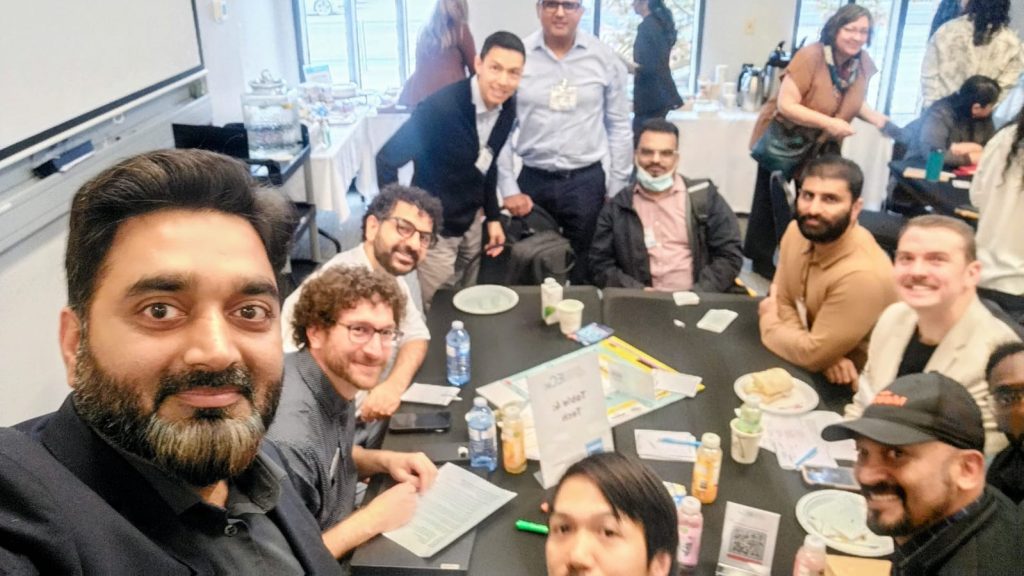
Tech Innovation, Employer Engagement & Industry Alignment PixelPaddle is not only advancing the frontier of immersive digital sports and metaverse technologies—it is also actively contributing to the development of British Columbia’s local workforce ecosystem. As part of its commitment, PixelPaddle has been working closely with the Immigrant Employment Council of BC (IEC-BC), adopting their Employer Navigation Pilot Program to help identify employer challenges, streamline hiring practices, and strengthen engagement between employers and diverse talent pools. Recently, Meer Anwar, CEO of PixelPaddle, was honoured to participate in Bridging Skills and Immigration for a Future-Ready Workforce, hosted by IEC-BC. PixelPaddle took part in the Tech Roundtable, alongside other focus groups representing Healthcare, Education, Skilled Trades, and broader sectors—collectively exploring how immigration, technology adoption, and collaboration will influence Canada’s next-generation workforce. Industry Outlook: Where Technology & Digital Innovation Are Headed British Columbia’s 2025–2035 Labour Market Outlook shows that tech-oriented fields will continue to be key economic drivers: 1. Professional, Scientific & Technical Services One of the highest growth sectors in the province, generating 162,200 job openings (15% of all openings) over the next decade. B.C. Labour Market Outlook Repo…This category includes: 2. Information, Culture & Recreation Sector This broad sector—including digital entertainment, gaming, VR content, and spectator sports—will generate 44,300 job openings between 2025–2035. B.C. Labour Market Outlook Repo… Within it: This aligns directly with PixelPaddle’s Sports Metaverse ecosystem, which merges sport, fan engagement, AR/VR, NFTs, and interactive content. 3. Natural & Applied Sciences and Tech Occupations A total of 118,900 job openings (11% of all openings) will arise in engineering, software, network technologies, and related domains. B.C. Labour Market Outlook Repo… 4. A Province-Wide Demand for Skilled Talent Overall, B.C. will see 1,052,000 job openings between 2025 and 2035, with 65% arising from retirements—leaving a large skill-gap opportunity for emerging talent. B.C. Labour Market Outlook Repo… How Companies Like PixelPaddle Strengthen the Future Workforce From immersive sports technology to AI-enabled engagement platforms, PixelPaddle is well-positioned to contribute to both the Canadian and global job markets. Here’s how: 1. Addressing the Digital Skills Gap As industries rapidly digitalize—in AI, AR/VR, blockchain, and immersive media—firms like PixelPaddle help bridge skill shortages by: 2. Supporting Employer Readiness & Modern HR Practices Through IEC-BC’s Employer Navigation Pilot Program, PixelPaddle helps identify: 3. Preparing Talent for International Market Demands Given ongoing global tech shifts, companies like PixelPaddle can help workers align with international client requirements by focusing on: 4. Enhancing Local Job Creation Through Innovation PixelPaddle’s Sports Metaverse—covering VR environments, gamification, blockchain assets, and digital fan engagement—fits squarely within growth sectors projected for B.C. A thriving innovation ecosystem directly contributes to: Key Insights From the Roundtable (As Shared by PixelPaddle) 1️⃣ Build Local, Scale Global For Canada to remain competitive, local companies must think globally—leveraging immigration, diverse skills, and international collaboration. 2️⃣ Retention Is Just as Critical as Recruitment Employee growth, mentorship, and internal upskilling remain essential for long-term stability—especially in rapidly evolving tech sectors. 3️⃣ Collaboration Over Silos Cross-sector, cross-industry, and cross-border collaboration is vital. Many systems still operate in isolation, and bridging these gaps will drive transformation. 4️⃣ Developing Local Talent for Global Competitiveness Mentorship-driven models and industry-informed training remain the strongest pathways for a sustainable workforce pipeline. The labour market data confirms what innovators already know: the future belongs to agile, tech-forward ecosystems. Companies like PixelPaddle—working at the intersection of sports, technology, immersive media, and engineering—play a critical role in shaping British Columbia’s workforce of tomorrow. By innovating locally, collaborating nationally, and building solutions that meet international standards, PixelPaddle contributes directly to a more resilient provincial economy and a future-ready, globally aligned workforce.