
Digital Twins of Athletes: Shaping the Future of Virtual Training and Fan Engagement
The rise of virtual representations of digital twins that mirror physical entities is gaining momentum in various fields, and sports are no exception. In the sports industry, digital twins of athletes are revolutionizing training methods, injury prevention, and fan engagement. These virtual simulations combine real-time data, predictive analytics, and simulation to create an accurate model of an athlete’s physical and cognitive attributes, allowing trainers, sports organizations, and fans to interact with the world of sports in unprecedented ways. It helps to communicate. What are digital twins in sports?In sports, a digital twin is a comprehensive digital model of an athlete that combines sensor and analytics data, tracking an athlete’s physical condition, biomechanics, and sometimes even mental state. The technology draws on advances in artificial intelligence (AI), Internet of Things (IoT) devices, and machine learning to create a responsive virtual model based on real-time data, such as movement, heart rate, and muscle activity. These digital twins offer detailed performance insights, which can optimize training routines, simulate complex scenarios, and predict potential health issues. For example, AI algorithms within a digital twin can review data from a runner’s recent races, predict areas for improvement, and adjust future training accordingly. This technology allows for a highly personalized approach to training, where athletes receive unique insights tailored to their needs and goals. Enhancing training with digital twins Digital twins are poised to revolutionize the way athletes are trained, providing benefits that go beyond traditional coaching methods. Performance Optimization: Digital twins provide detailed data on athlete movement, muscle use, and energy expenditure, allowing coaches to adjust training regimens with precision. With a virtual model reflecting real-time physical conditions, athletes can simulate high-stress situations safely achieving peak performance without risking injury. Injury Prevention: By monitoring key metrics like muscle fatigue, joint stress, and overall body stress, digital twins can predict potential injuries. Coaches and medical teams can proactively adjust training intensity or technique, helping athletes avoid overuse injuries and extend their careers. Personalized training systems: Digital twins enable a personalized approach to training based on a player’s unique performance data, providing insight into areas that may require further development. This approach increases productivity and reduces the risks associated with typical training projects. Increasing fan engagement through digital twins In addition to enhancing training, digital twins offer an array of possibilities for fan engagement, providing immersive and data-rich experiences that deepen fans’ connection to the world of sports. Interactive fan experiences: Fans can now engage with their favorite athletes in a virtual environment, where they can participate in virtual training sessions or observe an athlete’s routine. This level of interaction brings fans closer to the game, providing a sense of participation not previously available. Real-time Insights: Digital twins can provide fans with real-time performance data through augmented reality (AR) and virtual reality (VR) interfaces during live events. Fans can track speed, heart rate, or power levels, understanding athletes’ physical demands more deeply and fully appreciating their skills. Exclusive, Personalized Content: Digital Twins can provide tailored content to fans based on their specific interests. For example, a fan of a particular soccer player might receive exclusive digital content about simulated training sessions or progress updates from the athlete’s digital twin. It gives fans unique, behind-the-scenes insights that enhance their overall experience. Exploring the Future: Advancing Digital Twin Technology As digital twin technology continues to evolve, its integration with AR, VR, and other immersive technologies promises even more dynamic fan and player experiences. In the future, we may see virtual training camps where aspiring athletes can train with digital twins of their favorite players or virtual tournaments where fans play “with” athletes’ digital twins in a fully simulated setting. Moreover, digital twins offer a powerful tool for sports science research. By analyzing the digital twins of high-performance athletes, researchers can gather valuable insights into biomechanics, muscle endurance, and training efficacy, pushing the limits of human athletic performance. PixelPaddle approach towards Fan Engagement: The digital twins represent an exciting leap forward in how fans and athletes engage with sports, merging the physical and digital into a uniquely immersive experience. PixelPaddle, a forward-thinking platform in the gaming sector, is actively working to increase fan engagement by integrating advanced digital technologies that bring fans closer to the excitement of sports. Through innovative features that emphasize user interaction and personalized content, PixelPaddle enables fans to engage with their favorite athletes and games on a whole new level. As digital twin technology continues to evolve, platforms like PixelPaddle are leading the way in redefining the boundaries of virtual training and fan experience. To learn more about how PixelPaddle is changing digital engagement in sports, visit PixelPaddle.com and discover how they are bringing fans closer to the action than ever before. Embrace the future of fan engagement with PixelPaddle, where the line between the digital and the real world continues to blur.
How Blockchain Ensures Fairness in Virtual Sports Tournaments and E-Sports
Blockchain technology has evolved to become a cornerstone for industries that require transparency, security, and efficiency. Its applications in the realm of virtual sports tournaments and e-sports are shaping the future of competitive gaming. By introducing a decentralized, immutable system, blockchain is paving the way for a more fair, transparent, and secure environment for both players and fans. In this article, we will explore how blockchain technology ensures fairness in virtual sports and eSports tournaments. Immutable and Transparent Records One of the primary advantages of blockchain technology is its ability to maintain immutable, transparent records. Every transaction or action within the e-sports ecosystem from match results to player data is recorded on the blockchain in a decentralized ledger. This means that once the data is entered, it cannot be changed providing an immutable, reliable record. In a virtual sports tournament, for example, the result of a match, including player statistics and scores, is securely logged. Both administrators and participants can trust that this data is accurate and cannot be tampered with. This reduces the risk of disputes and ensures that all parties involved are on the same page regarding the outcome of the tournament. Smart Contracts: Automation for Fairness Smart contracts are self-executing contracts whose terms are written directly into code. In the context of e-sports, these contracts can automate various processes, such as prize distribution, tournament registration, and even enforcing game rules. Because smart contracts are executed without the need for intermediaries, they reduce the potential for human error, manipulation, or favoritism. For example, once a tournament ends, a smart contract can automatically distribute prizes to winners based on predetermined conditions (e.g., match results, and rankings). The processing of these transactions is fast, secure, and free from external influence, ensuring that participants are rewarded fairly and promptly. Furthermore, smart contracts can be programmed to monitor and enforce the rules of the game. If a player is found to violate these rules, the contract can automatically apply penalties, including disqualification or deduction from prize money, ensuring uniform enforcement across all participants. Decentralized Governance Blockchain enables decentralized governance, where decisions about tournament structure, rule enforcement, and even dispute resolution are made collectively rather than dictated by a central authority. This system reduces risks associated with centralized control, such as corruption, bias, or unfair decision-making. In e-sports, this decentralization can be achieved through Decentralized Autonomous Organizations (DAOs). A DAO allows players, teams, and even fans to participate in the decision-making process, ensuring that tournament rules are developed collaboratively and reflect the interests of the wider community, this democratic model of governance promotes fairness by ensuring that no single entity has complete control over the event. Tokenization and Real Ownership Blockchain introduces the concept of tokenization, which allows players to earn, trade, and own digital assets securely and transparently. In e-sports, players can receive tokens for achievements, victories, or milestones achieved during virtual tournaments. These tokens can represent in-game assets such as skins, virtual goods, or even access to special events. One of the most notable benefits of tokenization is the real ownership it provides to the players. Unlike traditional in-game items, which are controlled by centralized platforms, blockchain-based tokens are unique, verifiable, and transferable assets. Players can trade or sell these items in decentralized marketplaces, which ensures a fair and transparent economy within the e-sports ecosystem. Additionally, Non-Fungible Tokens (NFTs) are increasingly being used to represent unique in-game assets, trophies, or collectibles. These NFTs are stored on the blockchain, making them secure, tamper-proof, and easily verifiable. It offers a level of ownership and redundancy that traditional centralized platforms cannot provide. Improved Anti-Cheating Mechanism Fair play is one of the most important components of any tournament, and blockchain’s ability to create tamper-proof records plays a key role in preventing cheating. With blockchain’s transparent ledger, each player’s in-game actions are recorded and can be audited for signs of cheating or fraudulent behavior. Additionally, blockchain can be integrated with decentralized identity systems, which verify the identity of players and prevent impersonation. These steps help ensure that players participating in the tournament are legitimate and have not altered their stats or gameplay. Interoperability Across Platforms Another key benefit of blockchain is its interoperability, it’s built-in, allowing virtual sports tournaments and eSports competitions to work across multiple platforms. Whether players are participating in tournaments organized by a single game developer or across different eSports ecosystems, blockchain ensures that results are consistent and verifiable across environments. In this way, blockchain creates a unified and trusted framework where players from different regions or platforms can compete fairly, knowing that their performance and tournament standings are recorded on a secure, transparent ledger. “Discover the Future of Fair eSports with PixelPaddle’s Blockchain-Powered Innovation As blockchain continues to shape the future of virtual sports tournaments and fairs in eSports, its potential is just beginning to be realized. At PixelPaddle, we are committed to leveraging cutting-edge technologies, including blockchain, to enhance the eSports experience for players, organizers, and fans. By focusing on security, transparency, and decentralized processes, we aim to redefine competitive gaming. If you want to explore how blockchain can elevate your eSports tournaments or digital sports experiences, visit PixelPaddle.com today to learn more about how we’re innovating the industry, and creating and ensuring a fair, safe gaming environment for all.
NFTs in the Sports Metaverse: Ownership, Collectibles, and Virtual Merchandise
The arrival of Non-Fungible Tokens (NFTs) within the sports metaverse marks a revolutionary change in how sports fans interact with their favorite teams, players, and sports moments. NFTs digital assets separated by blockchain technology offer verified ownership, allowing individuals to claim unique rights to digital goods. This paradigm shift enables sports organizations, brands, and content creators to redefine the sports ecosystem by introducing new avenues for ownership, collection, and commercialization of virtual merchandise, increasing both fan engagement and revenue. NFTs as Cornerstones of Digital Ownership In the context of the sports metaverse, NFTs establish a new concept of digital ownership that transcends traditional forms of fan engagement. Historically, fans have participated in the sports experience by attending live events, purchasing physical merchandise, and following their teams through media coverage. However, NFTs empower fans to acquire exclusive digital assets, from iconic video clips and player memorabilia to unique digital representations of sporting achievements, all authenticated and secured by blockchain. The key feature of NFTs is their verifiable uniqueness, which provides irrefutable proof of ownership thanks to their underlying blockchain technology. This innovation introduces a new layer of security and reducibility, which is critical in increasing the value of digital assets. Unlike traditional collectibles, which are susceptible to counterfeiting, NFTs ensure authenticity, allowing sports fans to own genuine digital memorabilia. Whether it’s rare highlight reels, unique player NFTs, or commemorative digital items, these assets allow secure ownership of a virtual item, which can be bought, sold, or traded within the digital space. Additionally, NFTs in the sports metaverse represent passive assets and are often embedded with dynamic features. These may include access to exclusive content, virtual event passes, or participation in fan-driven decision-making processes, such as voting on new team jersey designs. By this, NFTs are not just static collections; They are interactive, increasing engagement between fans and the sports organizations they support. NFTs as a Collection in the Sports Metaverse The sports collectibles market has long been a driver of fan engagement, with physical items such as trading cards, jerseys, and autographed memorabilia holding significant value. With the proliferation of NFTs, the concept of sports collectibles has evolved into the digital realm, providing a modern medium through which fans can acquire and trade digital sports memorabilia. NFT-based collections in the sports metaverse often capture iconic moments such as legendary goals, career-defining plays, or significant milestones presented as unique digital assets. Platforms like NBA Topshot have exemplified the success of this model, where fans can buy, trade, and sell blockchain-verified video clips of memorable sports moments. The rarity of these digital assets, combined with demand from collectors and fans, determines their market value, much like traditional sports memorabilia. The added value of NFTs lies in their interactivity and scarcity. Fans can capture special moments that represent their team’s historic achievements or their favorite player’s unforgettable performance. These digital collections are not just static images. They are integral to a growing culture of fan participation, where ownership translates to pride, status, and a deep emotional connection to the game. Virtual Merchandise: A New Frontier for Fan Engagement NFTs have also revolutionized the realm of virtual merchandise, creating new avenues for sports teams, brands, and athletes to engage with a global audience. Like physical sports goods—jerseys, shoes, and other fan gear—virtual goods now allow fans to express their loyalty in digital form. Through NFTs, fans can purchase and wear virtual jerseys, accessories, and even team-branded avatars within the Metaverse, expanding their digital presence and offering a new dimension of engagement. The commercialization of virtual goods through NFTs provides unprecedented opportunities for global fans to participate in a digital economy that is not bound by geographic location. Fans from any corner of the world can access limited edition virtual merchandise, show their support for their teams, and show their loyalty on multiple virtual platforms. Whether inside virtual stadiums, digital marketplaces, or metaverse-based sporting events, these digital assets allow fans to actively engage with their teams in new and exciting ways. Additionally, NFTs facilitate the sale of exclusive virtual experiences, such as access to virtual VIP events, stadium tours, and digital meet-and-greets. Athletes. These immersive, blockchain-based offerings create a premium fan experience, enhancing the perceived value of sports and team affiliations in the virtual world. This shift toward merchandise provides teams and brands with a new, scalable revenue stream, while simultaneously increasing fan loyalty and deepening relationships with their digital communities. Economic impact and market expansion The integration of NFTs into the sports metaverse is not just a trend but a profound economic change. NFTs enable sports organizations to take advantage of new monetization models while meeting the growing demand for virtual assets and experiences. Beyond mere collection, NFTs introduce dynamic revenue models, where teams, athletes, and even individual fans can participate in the ownership and resale of digital goods. This ability to trade digital memorabilia on NFT markets creates a sustainable economic ecosystem within the sports industry. Furthermore, the metaverse and NFTs are contributing to the growth of the fan economy by turning passive spectators into active participants. Fans are no longer just consumers of content but become stakeholders in a virtual ecosystem where they can invest, trade, and participate in unique fan experiences. For sports organizations, the introduction of NFTs-based assets from digital memorabilia to exclusive virtual goods opens the door to diverse revenue streams while fostering an ever-expanding community of engaged supporters. As the demand for virtual experiences continues to grow, NFTs offer a scalable solution to capture fan interest and expand sports brands’ global reach. The combination of digital ownership, interactive collections, and virtual merchandise positions NFTs as the cornerstone of the future of fan engagement in the sports sector. How PixelPaddle Sports Leverage NFTs in the Metaverse PixelPaddle seamlessly integrates NFTs within the sports metaverse to redefine the landscape of fan engagement, digital ownership, and collections. Using blockchain technology, PixelPaddle facilitates the creation and exchange of unique, verifiable digital assets representing sports moments, memories, and in-game experiences. Digital Properties and
Blockchain in sports: Revolutionizing the fan experience in the Metaverse
In the digital age, blockchain technology has advanced far beyond its origins in cryptocurrency, playing a transformative role in many fields, including sports. Within the sports industry, blockchain is not only streamlining operations but also redefining fan engagement. When combined with the immersive capabilities of the metaverse, blockchain users are in a new era where fans, athletes, and brands can connect in more meaningful, interactive, and secure ways. This exploration outlines how blockchain is revolutionizing the fan experience in the sports metaverse, enhancing everything from virtual engagement to ownership of digital assets. Understanding Blockchain’s Role in the Sports Metaverse Essentially, blockchain acts as a distributed digital ledger, reliably capturing and storing records of transactions across a network of interconnected computers. Each transaction, or “block,” is encrypted and linked to the previous one, creating a “chain” that ensures transparency, security, and immutability. Within the sports metaverse, this technology powers virtual assets, powers secure transactions, and enables a decentralized ownership model, fostering levels of trust and access previously unattainable in digital spaces. It was an acquisition. Blockchain’s main features that apply to the sports metaverse include: Non-Fungible Tokens (NFTs): enabling fans to buy, sell, and trade exclusive digital collectibles, from player cards to virtual team memorabilia. Smart Contracts: Facilitating automated, secure transactions for ticketing, merchandise, and memberships. Decentralized Finance (DeFi): Allowing direct financial interaction and investment within the Metaverse, bypassing traditional intermediaries. Tokenized Community Engagement: Empowering fan-based governance and engagement, where fans can have a voice in virtual experiences and special events. By leveraging these elements, blockchain transforms fan interactions within the sports metaverse from passive spectatorship to an interactive and asset-based experience. Key Takeaways Blockchain is revolutionizing the fan experience in the sports metaverse. Digital ownership and collectibles through NFTs The introduction of non-fungible tokens (NFTs) has redefined the concept of sports collectibles. Fans can now own verifiable, digital memorabilia that only exists on the blockchain, from limited edition player cards to digital replicas of iconic game moments. These NFTs can be bought, sold, or traded within the Metaverse, allowing fans to participate in a dynamic marketplace and build digital collections associated with their favorite sports figures and teams. NFTs also provide exclusive access to experiences, such as virtual meet-and-greets or special events, turning them into assets that hold both emotional and financial value. Increase fan engagement and personalization Blockchain enhances fan engagement by enabling personalized and participatory experiences within the sports metaverse. Through tokenized systems, fans can engage in unique, gamified interactions such as virtual competitions, avatar-based encounters, and special team-related experiences. Smart contracts automate and secure these interactions, allowing fans to engage directly with teams and players while knowing their transactions and data are secure. Additionally, blockchain allows fans to influence certain decisions through voting mechanisms, which may include team jerseys, event locations, or other community-driven initiatives, from their teams. Deepen their relationship. Decentralized, secure ticketing solutions Traditional ticketing systems often suffer from problems such as scalping, fraud, and excessive fees. Blockchain-based ticketing solutions offer a transparent and secure alternative. Using smart contracts, fans can buy, sell, or trade tickets in a decentralized manner, reducing fraud and ensuring the authenticity of each ticket. Within the Metaverse, these tickets can be programmed as digital assets that not only provide entry to events but also additional perks, such as exclusive event-related content or collectible NFTs. Virtual marketplaces for fan-driven economies The Sports Metaverse hosts decentralized marketplaces powered by blockchain, where fans can buy, sell, and trade digital assets. From digital sports gear to avatar customizations, these assets create a virtual economy that allows fans to showcase their passion within the Metaverse. Blockchain’s transparency and security features ensure that fans are protected in every transaction, creating a trust-based environment that encourages participation and economic growth in virtual sports communities. Innovative sponsorship and advertising opportunities Blockchain’s data transparency allows brands to engage with fans through targeted, meaningful sponsorships. For example, sponsors can offer digital prizes or NFTs as incentives for engagement, rewarding fans who participate in events or competitions. Blockchain Brain enables Disney to interact directly with fans through token-based rewards, digital collectibles, and branded virtual experiences, creating unique value propositions for fans and stronger connections between brands and their audiences. Connections are made. Fan-driven governance and decision-making. In a blockchain-powered metaverse, fans can participate in community-based decision-making through tokenized governance. This participation gives them a voice in selected aspects of team operations, brand partnerships, or virtual events, fostering a sense of community and shared ownership. Tokenized voting rights can allow fans to influence real-world or virtual elements, deepening their loyalty and commitment to the teams they support. Strategic benefits for the sports industry The fusion of blockchain and the sports metaverse provides several strategic benefits for stakeholders in the sports industry: Increased revenue streams: Digital assets like NFTs create new revenue opportunities, as fans are willing to pay for unique, authentic digital memorabilia and exclusive experiences. Enhanced brand value: Blockchain facilitates innovative partnerships, allowing brands to engage fans in interactive, personalized ways that strengthen brand loyalty and visibility. Strong community engagement: By allowing fans to have a say in virtual events or team decisions, Metaverse fosters a collaborative community that goes beyond traditional fan engagement models. Future Implications of Blockchain in the Sports Metaverse As blockchain technology and the sports metaverse continue to evolve, their synergy is likely to reshape the broader sports industry, introducing new standards for fan interaction, digital ownership, and economic participation. The anticipated integration of Web3 technologies will empower fans with greater ownership and control over their virtual experiences, from NFT marketplaces to decentralized voting systems. Blockchain’s scalability and transparency will enable continued improvements in security, user experience, and economic inclusion, driving more engagement within the sports metaverse. PixelPaddle’s Role in Shaping the Future of Fan Engagement in the Sports Metaverse PixelPaddle plays a key role by integrating advanced gaming technologies and blockchain solutions to enhance user experiences. Although primarily focused on the gaming sector, PixelPaddle’s approach to immersive digital environments and secure transactions aligns with the evolving
Sports Metaverse: Understanding its Significance and Future Prospects
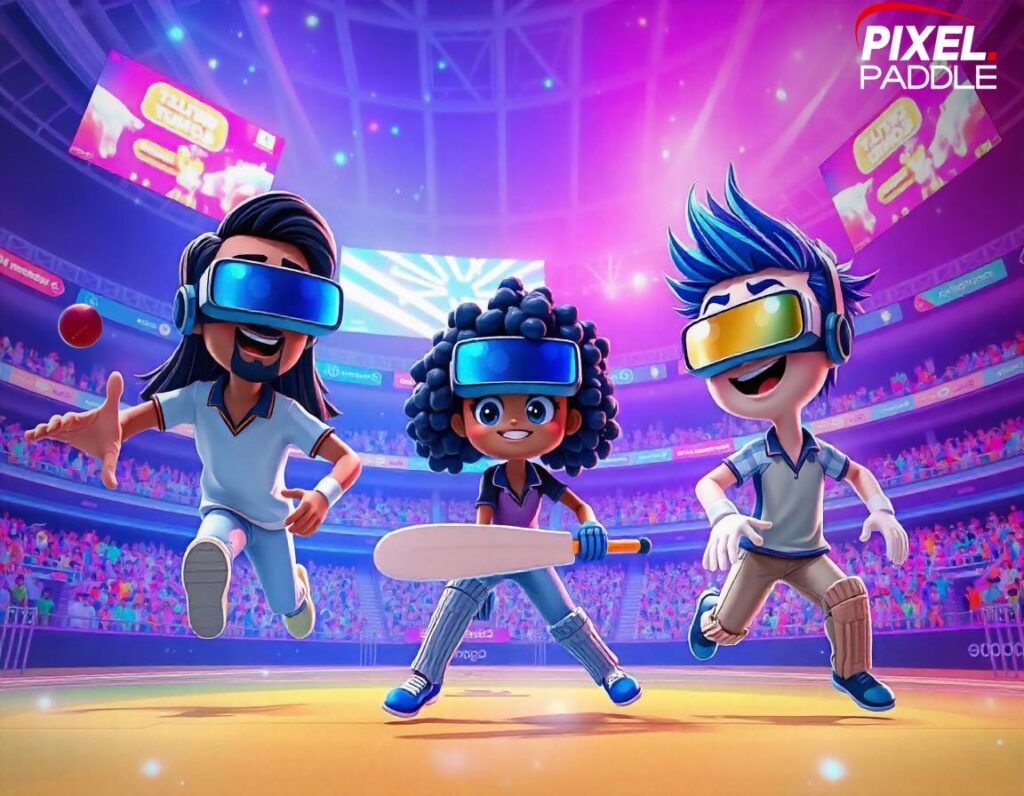
In recent years, rapid advances in digital technology have paved the way for change in various industries, with the concept of the “metaverse” emerging as an important virtual domain. Within this paradigm, the sports metaverse represents a new fusion of the sports industry and immersive virtual environments, offering a vision where fans, athletes, and brands can interact, engage, and transact in ways that were previously unimaginable. The sports metaverse is not simply an extension of the physical sports world. Rather, it is a digital ecosystem reshaping sports engagement, brand interaction, and audience engagement. In this study, we examine the structure of the sports metaverse, its unique value proposition, and its broader implications for the future of sports. Defining the Sports Metaverse: An Immersive Digital Ecosystem The Sports Metaverse is a complex, digitally created environment where fans, athletes, teams, and brands engage in a shared virtual space, using advanced technologies such as Virtual Reality (VR), Augmented Reality (AR), Blockchain technology, and artificial intelligence (AI). Offering a dynamic and immersive experience, this metaverse goes beyond the boundaries of traditional sports media platforms, creating a multi-dimensional interaction space where users can virtually participate in games, collect digital assets, access exclusive content, and connect directly with sports organizations. Key technologies underpinning the Sports Metaverse include: VR and AR: Allowing fully immersive or augmented experiences that bring fans closer to the action, such as sitting on the court or participating in virtual training sessions. Blockchain and NFTs: Enabling fans and brands to own, trade, and sell unique digital assets, from collectibles to virtual sports gear, creates a direct economic value layer. AI and Machine Learning: Enhancing personalization by analyzing user preferences and improving engagement through predictive content, avatars, and interactive simulations. Through these digital innovations, the Sports Metaverse creates an unprecedented level of fan interaction, enabling audiences to not only watch but be a part of the sports experience itself. Basic Implications of the Sports Metaverse As the sports industry prepares to embrace digital transformation, the Sports Metaverse offers profound and far-reaching implications: Revolutionizing Fan Engagement Traditional sports experiences, while popular, are often limited to passive viewers. The Sports Metaverse disrupts this dynamic by enabling interactive and participatory experiences. Fans can attend virtual stadiums, interact with avatars of their favorite players, participate in fantasy sports leagues, and access exclusive behind-the-scenes content. This deeply personalized and immersive engagement not only reinforces fan loyalty but also redefines what it means to “experience” a game. Creating new income streams and economic opportunities Through blockchain technology and NFTs, the Sports Metaverse opens diverse avenues for monetization. Teams, leagues, and individual players can create limited-edition digital assets, exclusive virtual merchandise, and pay-per-view events within the Metaverse, attracting new audiences and unlocking additional revenue streams. Direct sales of these digital assets allow fans to own virtual memorabilia, fostering a sustainable, fan-driven economy within the sports domain. Expand access and promote global inclusion The Sports Metaverse eliminates geographic barriers, allowing fans around the world to attend digital sporting events, attend games in virtual stadiums, and experience real-time sports content without physical boundaries. This involvement is critical to expanding fan bases in regions with limited access to traditional sports venues, bridging gaps, and fostering a global community united by common interests. Empowering athlete and brand collaboration Within the Metaverse, players and brands are free from traditional boundaries. Brands can sponsor virtual experiences, such as interactive training sessions or fantasy sports matches, while athletes can engage directly with fans through virtual meet-and-greets, sharing exclusive personal insights and content. This approach redefines the brand-athlete partnership, creating a more authentic, direct connection between sports figures and their audiences. Connecting eSports and traditional sports audiences The Sports Metaverse provides a unique platform where traditional sports and eSports can coexist, appealing to a wider and more diverse audience. Virtual stadiums designed for eSports competitions replicate the atmosphere of physical venues, complete with cheering avatars and immersive crowd simulations. This blend of real and digital sports enables traditional sports fans and eSports fans to interact to foster a vibrant, cross-generational community. The strategic value of the sports metaverse to stakeholders The Sports Metaverse is not only transformative for fans, but also offers strategic benefits for sports industry stakeholders: For teams and leagues: Metaverse provides a platform to increase brand exposure, reach a global audience, and build loyal communities by offering unique virtual experiences and exclusive content. For sponsors and brands: This virtual ecosystem allows brands to position themselves innovatively with sponsorships and partnerships, including virtual activations, immersive advertising, and interactive engagements. For Investors: As an emerging sector, the sports metaverse offers investment opportunities within digital asset markets, including NFTs, virtual land purchases, and blockchain-powered ecosystems. The future potential of the Sports Metaverse As the sports metaverse continues to evolve, it represents the next frontier for sports culture, combining the physical and digital realms to create a hybrid experience that will redefine the way audiences engage with sports. is the integration of Web3 principles, where ownership and engagement are decentralized, and has the potential to foster a community-driven model that rewards active participation and ownership within the Metaverse. This vision of the future empowers fans, brands, and athletes alike, creating a sustainable, digitally enabled sports landscape. How PixelPaddle is trying to be a competitive stakeholder in this segment <sPixelPaddle is establishing itself as a competitive stakeholder in the gaming sector by integrating Polygon’s blockchain’s advanced capabilities for scalable digital transactions and Unity’s platform for immersive game design. These technologies include doing so, PixelPaddle can encourage high-quality gaming experience, and secure transactions within a player-driven ecosystem such as custom digital assets, unique virtual environments, and user-centric design., PixelPaddle enhances engagement and positions these strategic efforts. PixelPaddle is at the forefront of innovation, continually redefining how gaming experiences are created and enjoyed. Sports metaverse is a revolutionary development that not only increases the reach and accessibility of sports but also changes its economic, social, and cultural dimensions. By merging technological innovation with immersive experiences, Sports Metaverse sets new standards for fan engagement,
PixelPaddle Team Engages with Canadian CPA on Financial Strategy and Taxation Insights

PixelPaddle’s senior team, including CFO Mr. Anjum Khursheed and COO Mr. Muhammad Abubakar, recently engaged in an in-depth series of meetings with PixelPaddle’s contracted Canadian CPA, Mr. Jamal Asif, during his visit to Pakistan. The discussions were focused on enhancing the company’s financial management practices, with a specific emphasis on corporate and personal taxation, fund allocation, and strategic planning to support both individual and corporate financial stability. The primary objectives of these sessions were to: Gain a deeper understanding of Canadian financial frameworks. Develop strategies for effective corporate fund management to support operations as PixelPaddle scales. Equip team members with the knowledge needed to responsibly manage personal finances, particularly for those relocating with their families to Canada in the near future. Mr. Jamal Asif, a seasoned Chartered Accountant based in Canada, brings a wealth of expertise in both internal and external audit consultancy. Known for his commitment to excellence, he has substantial experience in areas such as internal controls, risk management, cost-benefit analysis, and governance. His guidance was instrumental in clarifying complex Canadian financial requirements and assisting PixelPaddle’s leadership in making informed decisions for the company’s growth in Canada. These meetings align with PixelPaddle’s dedication to continuous learning and understanding of Canadian business culture and work ethics, as part of our commitment to responsible corporate citizenship. This collaborative approach ensures that our team is well-prepared for future expansion in Canada, equipped to meet both personal and corporate financial responsibilities.
Empowering the Tech Community Through Innovation and Mentorship
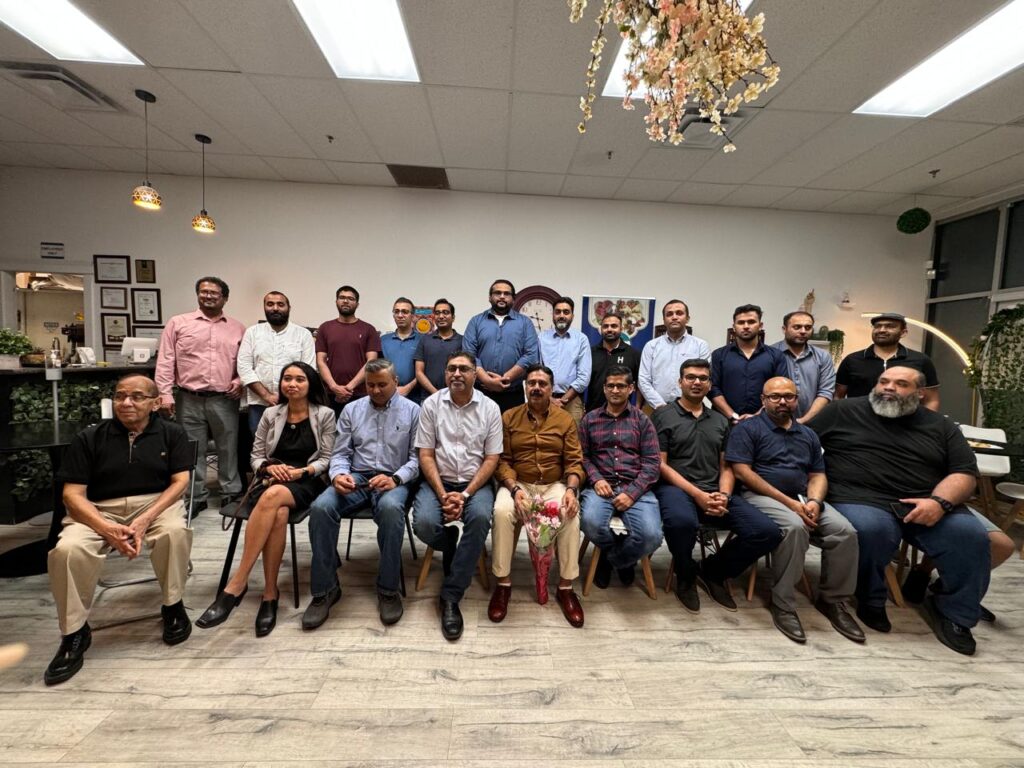
Meer Anwar along with his team members (remotely) being essential team player at PixelPaddle, has consistently gone beyond managing the company’s tech, administrative, and business operations in Canada. His contributions to the promotion of technology and the growth of young professionals in the tech sector highlight his dedication to fostering innovation and empowering the next generation of leaders. As a key figure in PixelPaddle, Meer ensures the seamless integration of the latest tools and technologies into the company’s operations, setting a benchmark for innovation. His efforts have significantly contributed to the advancement of tech solutions that resonate not only within PixelPaddle but also within the broader Canadian and global tech communities. Mentorship as a Catalyst for Growth Meer’s passion for mentorship stands out as a cornerstone of his professional journey. He has been instrumental in bridging the gap between aspiring young graduates, tech professionals, and seasoned entrepreneurs. By facilitating meaningful connections, he provides a platform where emerging talent can gain inspiration and career guidance from experienced leaders who have made significant strides in the tech and business sectors. Connecting Visionaries with Young Minds One of Meer’s remarkable initiatives has been hosting renowned industry leaders to share their experiences and insights with aspiring professionals. Esteemed individuals like: Mr. Salim Ghouri, CEO of NetSol (NYC, US), Mr. Wade Larson, CEO of PacTech, Ms. Bushra Rehman, CEO of BR Group, Mr. Shaheen, CEO of Panora Minerals, Mr. Amir, CEO of SPF Lumber, Mr. Raza, Engineering Leader at Amazon, Ms. Jill Masalonga, Senior Tech Recruiter/Consultant, Mr. Jason Wong, CEO of BetaCollectives, and many more These visionary leaders have generously shared their success stories with events hosted in collaboration with FriendsCafe, TechMentors, UFV, Focus College, etc., whilst sharing challenges, and career advice, inspiring the youth and guiding them toward a clear career path. Impacting the Future Through these efforts, Meer Anwar has created a transformational environment where young professionals feel empowered to explore opportunities, learn from the best, and confidently pursue their ambitions. By connecting them with mentors who provide real-world insights, he equips them with the tools to navigate the complexities of a competitive industry. PixelPaddle team including Meer’s commitment to nurturing the tech ecosystem, coupled with his vision for bridging the gap between academia and industry, has made him a beacon of inspiration in the tech world. His initiatives are not only fostering innovation but also ensuring that the next generation of tech leaders is well-prepared to make a meaningful impact.
PixelPaddle meets HiBit Canada

Founded in 2018, HiBit (FINTRAC Registered MSB #MI8744058 – Restricted Dealer registered with CSA) is a community-driven, real-person supported crypto asset expert dedicated to building trust and security in the crypto communities. Help everyone safely embark on the road to owning crypto assets, committed to offering personalized, face-to-face service through its network of physical stores. With a mission to make cryptocurrency accessible and understandable to all, HiBit ensures that users can explore the digital currency space safely and conveniently. The exchange places a strong emphasis on community, tailoring its services to meet the diverse needs of cryptocurrency users. Recently, HiBit hosted a follow-up meeting at its Burnaby office with PixelPaddle’s CEO, Mr. Anwar, after their initial discussions during the Blockchain@UBC event. The meeting included HiBit’s COO, Mr. Martin He, and Senior Executive, Mr. Edourd Liu, who praised PixelPaddle’s cutting-edge Sports Metaverse solution. The discussions centered on potential collaboration opportunities, with a focus on leveraging PixelPaddle’s unique engagement model within the sports community and beyond. Mr. Meer, representing PixelPaddle, shared the possibilities for integrating application-level support and additional services into the Sports Metaverse, with the goal of enhancing user experience by streamlining NFT rewards and monetization in a secure, efficient, and user-friendly manner. The meeting concluded with mutual appreciation and a commitment to exploring collaborative initiatives aimed at providing an improved experience for sports fans and general users across both platforms.
BlockChain@UBC Industry Night 2024 – A Night To Remember
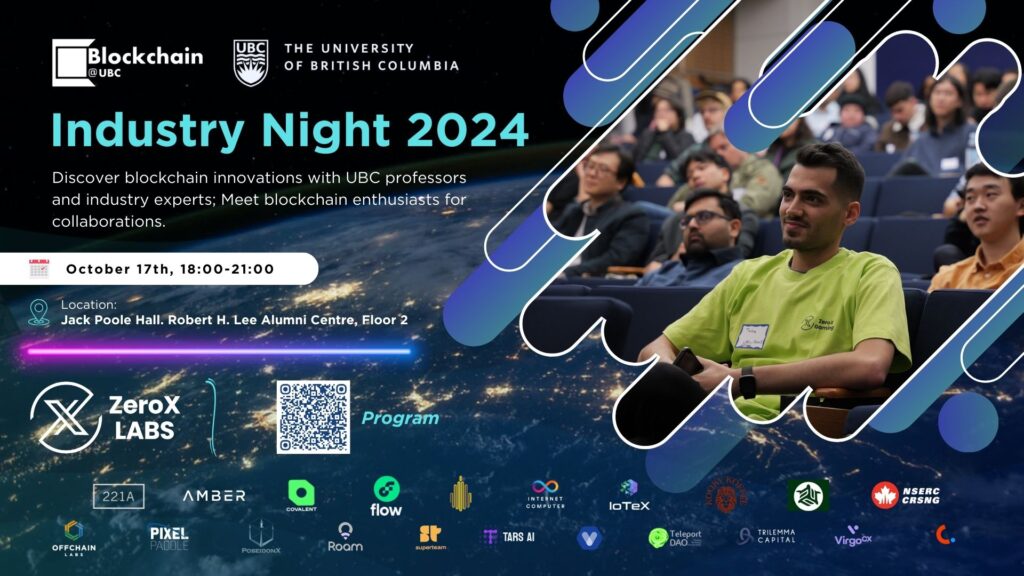
Blockchain@UBC Industry Night 2024 was an extraordinary success, packed with inspiring pitches, engaging discussions, and invaluable networking opportunities with blockchain enthusiasts, entrepreneurs, and researchers from both academia and industry. It was an honor to have #PixelPaddle being presented as “Featured Company” at the event, and We am deeply grateful to Prof. Dr. Vicki Lemieux and the Blockchain@UBC team for the opportunity to present our solution to such a dynamic audience. Beyond showcasing our technology, the evening provided a fantastic platform to explore collaborations between Canada and Pakistan’s IT/ITES sectors. We delved into the possibilities of joint research, technology exchange, public sector projects, and strengthening relationships to harness the best of both ecosystems. We also discussed the potential of #WebSummit2024 as a springboard for deeper cooperation, promoting IT adoption, fostering an entrepreneurial culture, and driving economic growth in both markets. Exciting opportunities are ahead, and we look forward to continuing these important conversations! #Blockchain #CanadaPakistan #Collaboration #Innovation #WebSummit2024 #TechForGood #Entrepreneurship
PixelPaddle’s Participation in WebSummit TownHall 2025: Strengthening Global Presence and Collaborations

The PixelPaddle team is excited to build on the success and momentum gained from Collision Conference 2023. With the same energy and dedication, we are eagerly anticipating our participation in the upcoming WebSummit 2025, which will take place in the dynamic city of Vancouver, BC, from May 27 to May 30. This event offers us another remarkable opportunity to showcase our cutting-edge solutions and expand our global presence in the technology landscape. Our CEO, Mr. Meer Anwar, together with the core leadership team, recently attended the WebSummit Town Hall Meeting on September 4, 2024. During this meeting, they engaged with key stakeholders and contributed to insightful discussions on the future of tech innovation and global collaboration. In addition to attending WebSummit 2025 as a leading Canadian startup, PixelPaddle is committed to promoting the event on a global scale. We are actively engaged with several chambers of commerce across British Columbia, including Burnaby, Surrey, and Richmond. Mr. Meer Anwar, a strong advocate for international tech events such as WebSummit, AISummit, and the Blockchain Futurist Conference, regularly emphasizes the significance of such events during local meetups and international webinars, fostering greater participation and the exchange of knowledge across industries. The enthusiasm for WebSummit 2025 is palpable across all sectors, including government, private industry, the startup ecosystem, and tech innovators. The collective support for this international event underscores Canada’s role as a leader in the global tech arena. The Town Hall meeting featured inspiring remarks from distinguished dignitaries, including: The Honourable Harjit S. Sajjan, Minister of Emergency Preparedness and Minister responsible for the Pacific Economic Development Agency of Canada (PacifiCan) The Honourable Brenda Bailey, Minister of Jobs, Economic Development and Innovation Royce Chwin, CEO of Destination Vancouver Lejla Uzicanin, Vice President, Data Research and Policy, Invest Vancouver Peter Cowan, CEO of Innovate BC Michael Drake, VP of Meetings, Conventions, and Events, Destination Vancouver Casey Lau, Co-Host of WebSummit Vancouver Jennifer McNaughton, Partnerships, WebSummit Vancouver & Paddy Cosgrave, Co-Founder WebSummit (joined virtually) As an active member of the Pakistan Canada Trade Association (PWCTA), Mr. Meer Anwar has proactively reached out to WebSummit’s management and is closely collaborating with the Pakistan Software Houses Association (P@SHA). The goal of this partnership is to ensure an efficient and impactful presence for Pakistani startups and IT companies at WebSummit 2025. By leveraging B2B networking opportunities, this initiative aims to drive growth, innovation, and economic collaboration between the Canadian and Pakistani markets. At PixelPaddle, we remain committed to advancing the tech ecosystem through our innovative solutions and by fostering international collaboration. WebSummit 2025 represents a critical milestone in our ongoing journey towards global expansion and partnership-building, and we are eager to engage with industry leaders from around the world to shape the future of tech together. [Sep 2024]